The 10 Silent Signs Your Bones May Be Getting Weaker Day by Day
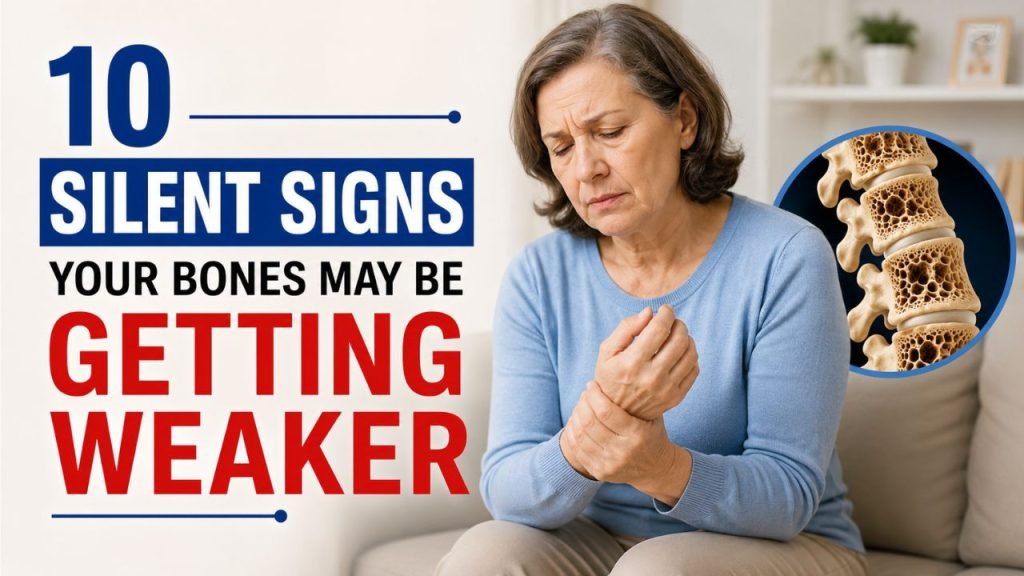
Bones are living tissue that constantly break down and rebuild themselves in a process called remodeling, and for the first three decades of life the rebuilding consistently outpaces the breakdown — but somewhere in the mid-thirties this balance begins to shift, and for millions of people the breakdown starts winning so gradually and so silently that by the time a fracture or diagnosis confirms the problem, significant bone density has already been lost. Osteoporosis and its precursor osteopenia are called silent diseases for a reason — unlike a muscle injury or a skin condition, weakening bones produce no visible changes, no consistent pain, and no obvious functional impairment until the density loss crosses a threshold serious enough to cause fractures from impacts that healthy bones would absorb without consequence.
10 Silent Signs Your Bones May Be Getting Weaker :
1. You are getting shorter gradually over the years

A measurable loss of height over time — even as little as one to two centimeters — is one of the most reliable physical indicators that vertebral bone density is declining, because the vertebrae are among the first bones to lose density and their gradual compression under the weight of the body produces a slow but real reduction in standing height. Many people dismiss this as normal aging without realizing it reflects actual structural changes in the spine that, if left unaddressed, can progress to vertebral fractures that occur spontaneously without any fall or significant impact.
2. Your posture is becoming increasingly rounded or hunched

A progressively forward-bent posture — where the upper back curves outward more than it used to — often reflects vertebral compression fractures or bone density loss in the thoracic spine that is pulling the posture forward under gravitational load. This rounding, called kyphosis, develops so slowly that most people attribute it entirely to muscle weakness or spending too much time at a desk, never considering that the underlying vertebral structure may be compromised.
3. You experience back pain without any injury or obvious cause

Persistent dull aching in the mid or lower back that has no clear muscular or disc-related explanation can reflect micro-fractures or compression changes in the vertebrae caused by declining bone density — fractures so small that they produce discomfort rather than acute pain, and heal without treatment while leaving the vertebrae slightly more compressed than before. Because this pain mimics the common backaches of modern sedentary life so closely, it is almost never connected to bone health without a specific investigation.
4. Your nails are brittle, thin, and break easily

Nail quality is a reflection of the same mineral status — particularly calcium, magnesium, silica, and collagen — that determines bone density, and chronically brittle nails that split, peel, or break with minimal force are a visible surface indicator of the micronutrient deficiencies that also impair bone maintenance below the surface. While brittle nails have multiple possible causes, their presence alongside other signs on this list significantly raises the probability that bone-relevant mineral status is suboptimal.
5. You are experiencing leg cramps frequently, especially at night

Frequent muscle cramps, particularly nocturnal cramps in the calves and feet, are a well-recognized symptom of low calcium and magnesium — the two minerals most directly involved in both muscle contraction and bone mineralization. When dietary intake of these minerals is insufficient, the body maintains blood calcium levels by drawing from the skeletal reserves, which means the cramps and the bone loss are being driven by the same underlying nutritional deficiency simultaneously.
6. You have had more fractures than would be expected from minor impacts
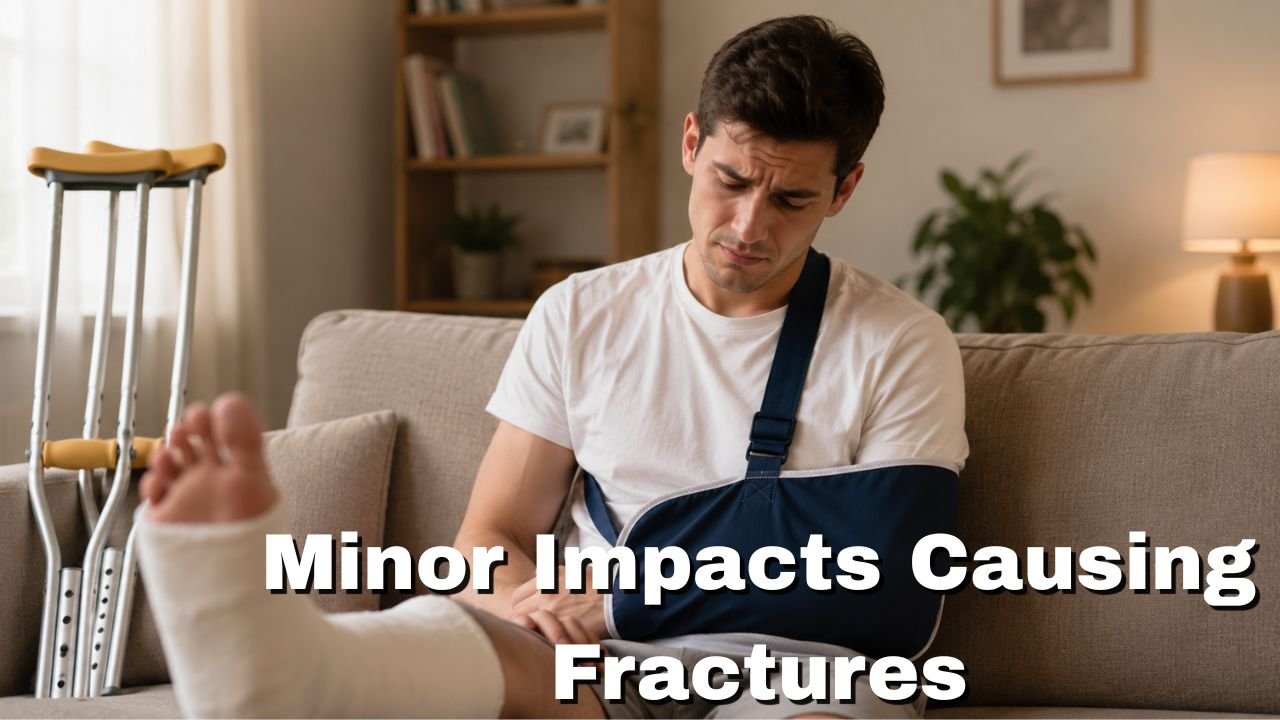
Fracturing a bone from a fall from standing height, bumping a limb against furniture, or a relatively mild impact that would not be expected to break a healthy bone is called a fragility fracture — and it is one of the most direct clinical indicators that bone density has already declined to a level where normal daily forces exceed what the bone can safely absorb. The wrist, hip, and spine are the most common sites for fragility fractures.
7. Your gums are receding or you are losing dental bone density

The jawbone is part of the skeletal system and loses density in the same way as other bones when calcium, vitamin D, and mineral status are chronically inadequate — and the first visible sign of this is often receding gums, loose teeth, or a dentist noting on X-ray that the alveolar bone supporting the teeth has reduced. Research has found a significant association between low bone density elsewhere in the skeleton and dental bone loss, making the jaw a useful and accessible indicator of systemic skeletal status.
8. You feel significant joint pain or general achiness without a diagnosed condition
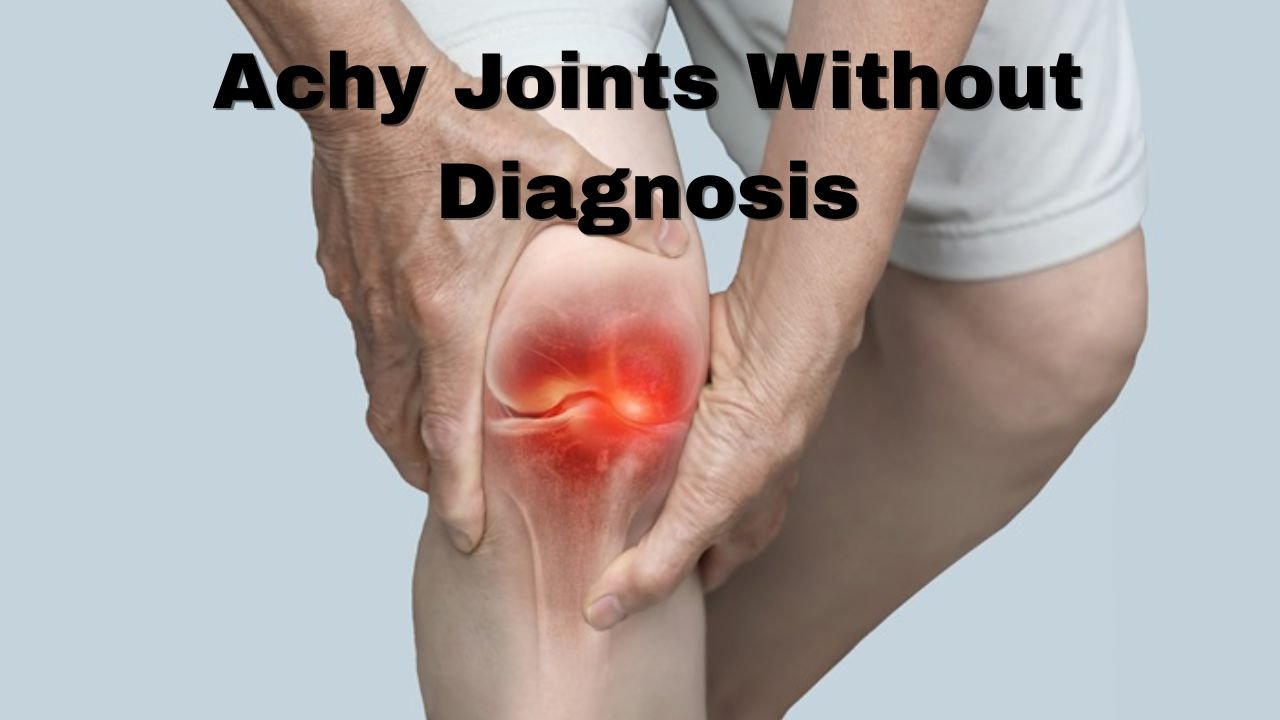
Diffuse achiness in the bones and joints — distinct from the localized pain of arthritis or the muscular soreness of exercise — can reflect the periosteum, the sensitive nerve-rich membrane covering bone surfaces, responding to the mechanical stress that reduced bone density creates as bones become less able to absorb and distribute load efficiently. This generalized bone pain is often dismissed as growing pains in younger people, general aches in middle-aged adults, or simply arthritis in older individuals, when it may actually reflect a bone density problem that none of these explanations addresses.
9. You have been on long-term medication that affects bone density
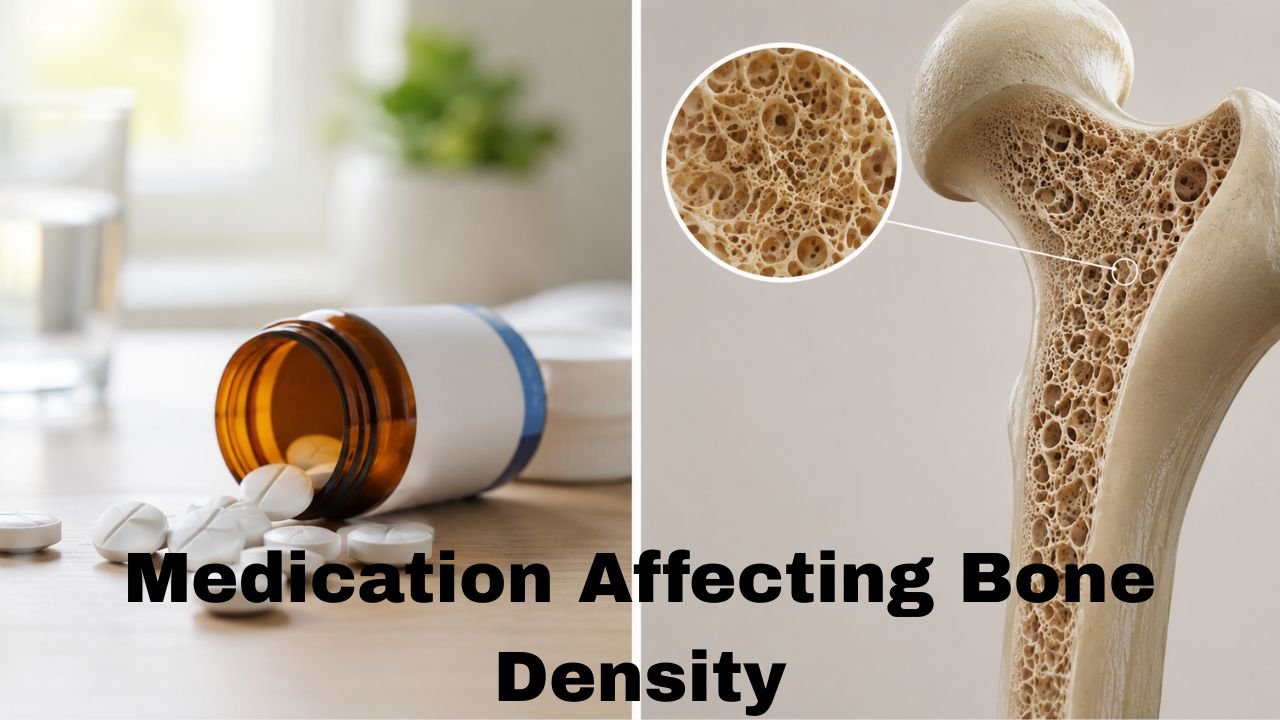
Corticosteroids like prednisone, proton pump inhibitors used for acid reflux, certain antidepressants, anticonvulsants, blood thinners like heparin, and some hormonal medications are all associated with accelerated bone density loss when used for extended periods — and many people taking these medications have never been told about this side effect or monitored for it. Corticosteroid-induced osteoporosis is one of the most common and most preventable secondary causes of significant bone loss, yet it is routinely under-monitored in people on long-term steroid therapy.
10. You have risk factors that silently accelerate bone loss
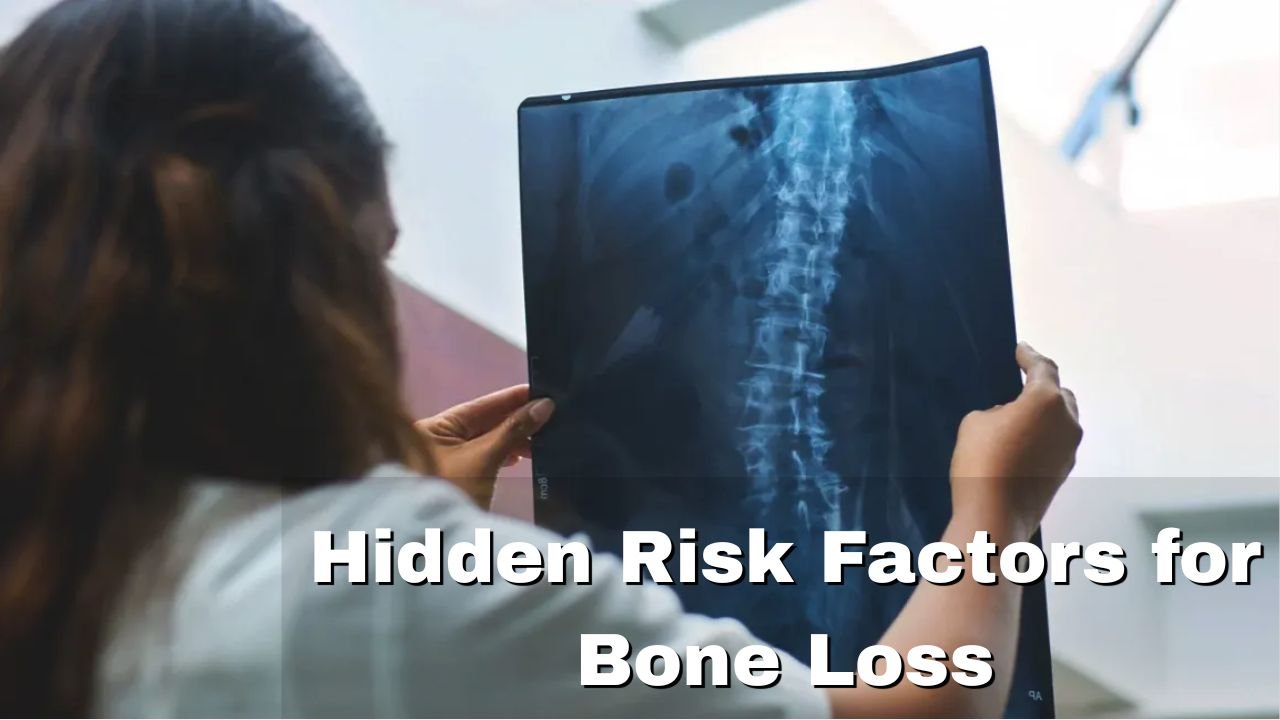
Certain conditions and life circumstances accelerate bone loss far faster than normal aging — early menopause, prolonged amenorrhea in athletes or people with eating disorders, hyperthyroidism, celiac disease, inflammatory bowel disease, rheumatoid arthritis, type 1 diabetes, chronic kidney disease, and a family history of osteoporosis all significantly elevate the rate at which bone density declines.
10 Foods That Provide Essential Vitamins and Minerals for Bone Health :
1. Dairy products — milk, yogurt, and cheese
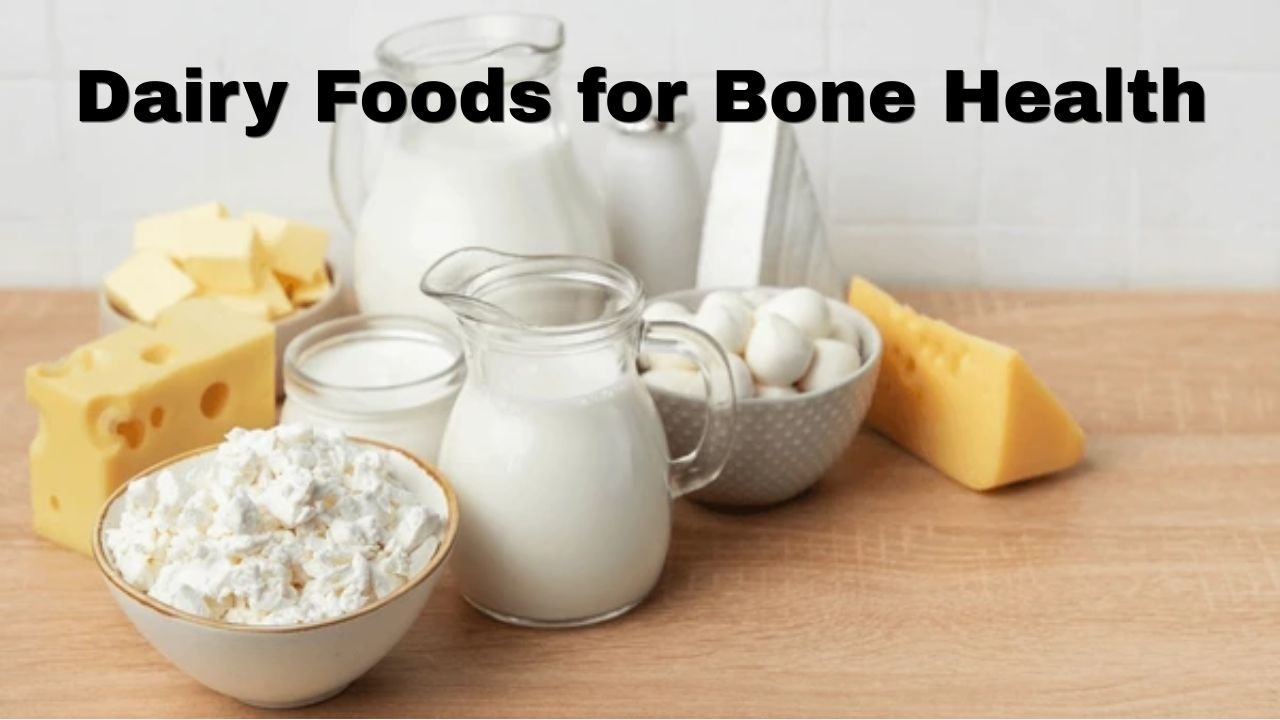
Dairy is the most concentrated and bioavailable dietary source of calcium available, with a single cup of plain yogurt providing around 300 to 400 milligrams of calcium — approximately one third of the adult daily requirement. Beyond calcium, dairy contains phosphorus, protein, and in fortified versions vitamin D, making it a multi-nutrient bone support food rather than simply a calcium source.
2. Salmon and other fatty fish

Fatty fish including salmon, sardines, mackerel, and trout are among the very few natural food sources of vitamin D — the hormone that regulates calcium absorption from the gut and without which dietary calcium cannot be effectively incorporated into bone regardless of how much is consumed. A 100-gram serving of wild salmon provides approximately 600 to 800 IU of vitamin D, which is a significant contribution toward the 1000 to 2000 IU daily intake that most bone health researchers now consider optimal.
3. Dark leafy greens — kale, bok choy, and collard greens

Dark leafy greens are rich in calcium, vitamin K1, magnesium, and a range of bone-supportive minerals that work synergistically to support bone density — and their calcium is significantly more bioavailable than the calcium in spinach, which contains oxalates that bind calcium and reduce its absorption. Vitamin K1 from greens is converted in the body to vitamin K2, which plays a direct role in directing calcium into bone tissue rather than allowing it to deposit in soft tissues and arteries.
4. Eggs

Eggs are one of the few whole foods that naturally contain vitamin D — primarily concentrated in the yolk — alongside vitamin K2, phosphorus, protein, and zinc, making them a compact multi-nutrient bone support food that is widely available and easy to incorporate into any diet. Pasture-raised eggs contain significantly higher vitamin D and K2 levels than conventionally produced eggs because the hens are exposed to sunlight and consume vitamin-rich forage.
5. Almonds and other nuts
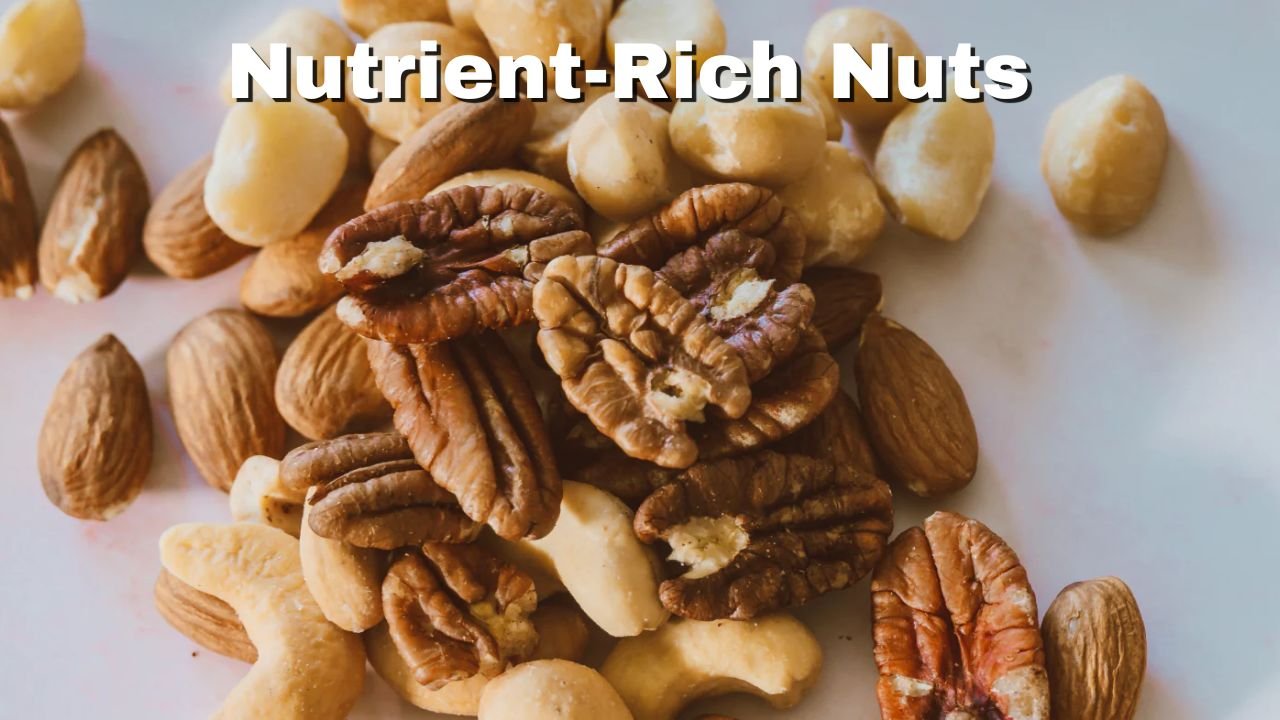
Almonds are the highest-calcium nut available, with a 30-gram serving providing around 75 milligrams of calcium alongside magnesium, phosphorus, and vitamin E — nutrients that collectively support the bone matrix structure beyond just its mineral content. Magnesium in particular is essential for converting vitamin D into its active hormonal form, meaning that magnesium deficiency impairs bone health not just directly but also by reducing the effectiveness of whatever vitamin D is available.
6. Beans and lentils
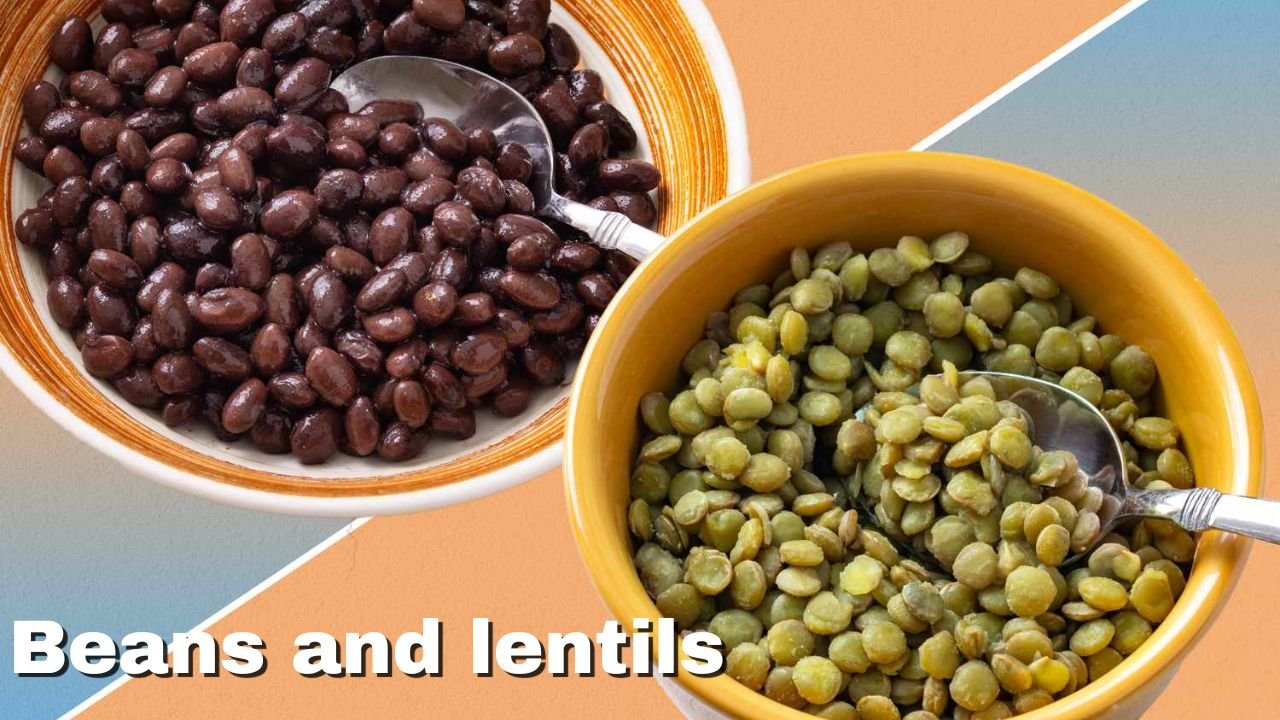
Legumes are rich in calcium, magnesium, phosphorus, zinc, and folate — minerals and vitamins that contribute to bone matrix formation, bone mineral density maintenance, and the hormonal signaling that regulates bone remodeling. White beans are particularly calcium-dense, with a cup of cooked white beans providing around 130 milligrams of calcium alongside substantial magnesium and phosphorus.
7. Tofu made with calcium sulfate
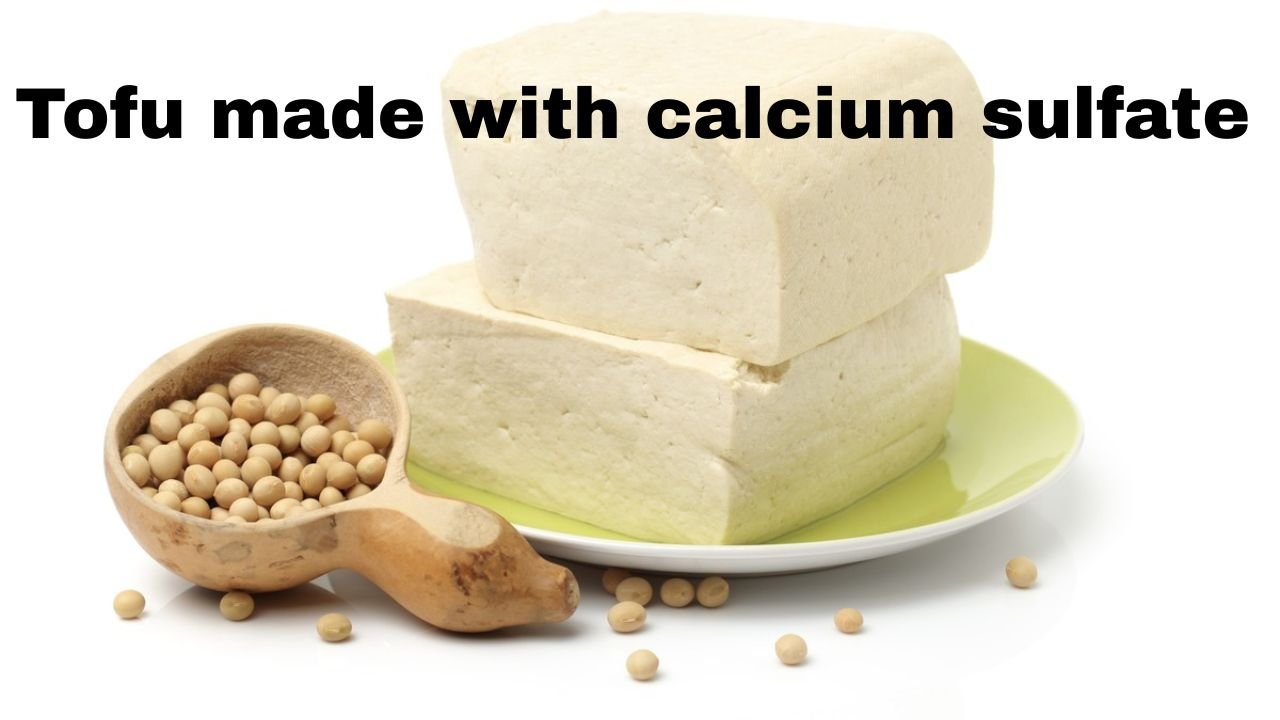
Tofu that is set using calcium sulfate — which is standard for most firm tofu — is an exceptionally rich plant-based source of calcium, with a 100-gram serving providing as much as 350 milligrams of highly bioavailable calcium. It also contains isoflavones — plant compounds that have been shown in research to reduce osteoclast activity and slow bone resorption, producing a mild estrogen-like protective effect on bone density that is particularly relevant for postmenopausal women.
8. Seeds — particularly chia, sesame, and poppy seeds
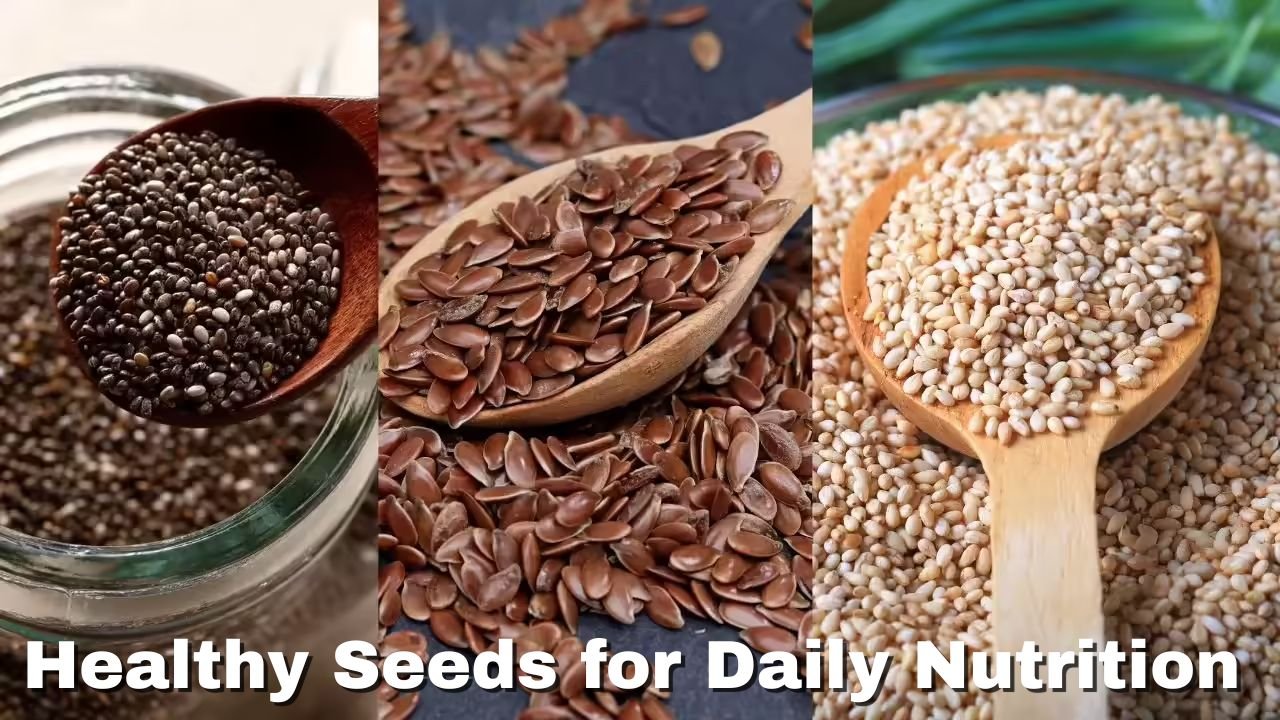
Seeds are among the most nutrient-dense bone support foods available by weight — chia seeds provide calcium, phosphorus, and magnesium in significant amounts, while sesame seeds are extraordinarily calcium-rich, with a single tablespoon of unhulled sesame seeds providing around 88 milligrams of calcium. Poppy seeds are similarly dense in calcium and phosphorus, and all three seed types provide the magnesium that is essential for active vitamin D metabolism and for the enzymatic reactions involved in bone mineralization.
9. Figs — fresh and dried

Figs are one of the highest-calcium fruits available, with five dried figs providing approximately 135 milligrams of calcium alongside potassium, magnesium, and vitamin K — a combination that supports bone density through multiple pathways simultaneously. Potassium in particular plays an underappreciated role in bone health by neutralizing the acid load of the diet, which when chronically high causes the body to draw calcium from bones as a buffering mechanism.
10. Fortified plant milks — oat, almond, and soy milk
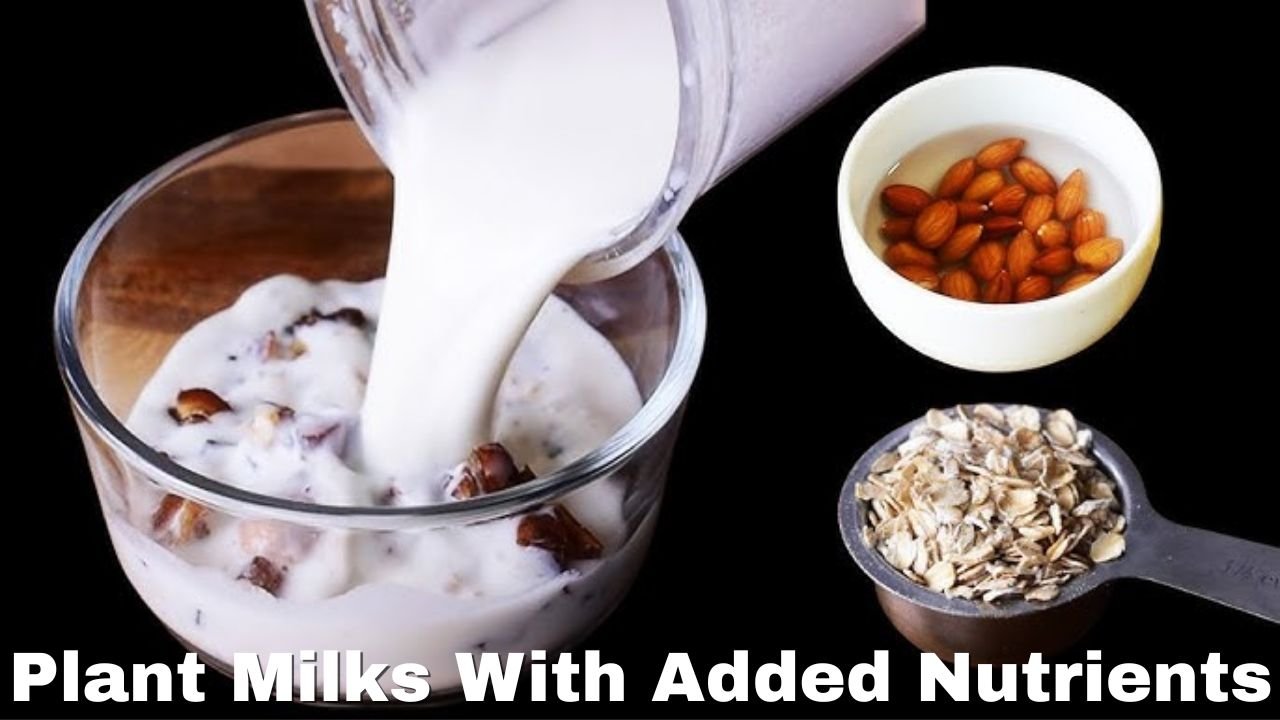
Quality fortified plant milks are supplemented with calcium carbonate or calcium phosphate, vitamin D2 or D3, and sometimes vitamin K2 and B12, making them a genuinely effective bone nutrition tool for people who do not consume dairy. A fortified glass of oat or soy milk provides calcium levels comparable to dairy milk, and soy milk additionally contains isoflavones with the bone-protective properties described in the tofu section above.
Disclaimer:
This article is for informational purposes only and is not a substitute for professional medical advice, diagnosis, or treatment. If you suspect you may have osteoporosis or low bone density, please consult a qualified healthcare provider and request appropriate testing including a DEXA bone density scan. Always seek guidance from a licensed medical professional for any personal health concerns.