These Daily Habits That May Be Quietly Hurting Your Heart
The heart beats approximately 100,000 times every single day without rest, yet most people never think about it until something goes seriously wrong. Heart disease remains the leading cause of death globally, and the frustrating truth is that up to 80 percent of premature heart disease is preventable — meaning most cardiac events are not acts of fate but the accumulated result of daily habits that quietly loaded damage onto the cardiovascular system for years before anything became obvious. The damage does not happen dramatically or suddenly; it happens in small, invisible increments through the ordinary behaviors of modern life that billions of people repeat without question every single day.
20 Daily Habits That May Be Quietly Hurting Your Heart :
1. Sitting for most of the day without breaks
Prolonged sitting suppresses the enzymes that clear fat from the bloodstream, raises triglycerides, and promotes vascular inflammation even in people who exercise regularly. Studies show that sitting more than eight hours daily significantly raises cardiovascular risk independent of leisure-time physical activity. Breaking up sitting with short movement every hour produces measurable improvements in vascular function that exercise alone cannot fully replicate.
2. Eating too much sodium every day
Excess sodium forces the kidneys to retain water, raises blood volume, and puts constant mechanical pressure on artery walls that over years produces the arterial stiffening that precedes most major cardiac events. Most dietary sodium comes not from the salt shaker but from bread, sauces, processed meats, and packaged foods that people consume daily without awareness.
3. Chronic sleep deprivation
Sleeping less than seven hours raises blood pressure, elevates cortisol, increases inflammatory markers, and eliminates the natural nocturnal blood pressure dip that gives the cardiovascular system its only genuine rest window. Large studies have found that sleeping under six hours is associated with a 20 percent increased risk of heart attack compared to those sleeping seven to eight hours. The damage is cumulative and progressive — every week of insufficient sleep adds to an arterial stress load that does not fully reverse without consistent sleep restoration.
4. Eating ultra-processed foods as dietary staples
Ultra-processed foods elevate LDL cholesterol, promote systemic inflammation, raise blood pressure through sodium content, and drive insulin resistance — hitting the cardiovascular system through multiple damaging pathways simultaneously. A large French study found that a 10 percent increase in ultra-processed food in the diet was directly associated with increased coronary heart disease risk.
5. Smoking or regular exposure to secondhand smoke
Tobacco smoke damages the endothelial lining of blood vessels, promotes clot formation, accelerates atherosclerosis, and increases heart attack risk by two to four times compared to non-smokers. Even regular secondhand smoke exposure raises heart disease risk by 25 to 30 percent — a magnitude most people significantly underestimate. Cardiovascular risk begins dropping within 24 hours of quitting and continues improving for years, making cessation one of the highest-return health decisions available at any age.
6. Drinking alcohol regularly
Regular alcohol consumption raises blood pressure, promotes atrial fibrillation, elevates triglycerides, and disrupts the sleep quality that cardiovascular recovery depends on every night. Recent large studies using Mendelian randomization have challenged the idea that moderate drinking is cardioprotective, suggesting the apparent benefit was a statistical artifact rather than a genuine effect. Current cardiovascular guidelines from major health organizations now suggest the safest level of alcohol for heart health is none.
7. Chronic unmanaged psychological stress
Chronic stress keeps cortisol and adrenaline persistently elevated, raising heart rate and blood pressure, promoting arterial inflammation, and accelerating clot-forming platelet activity around the clock. The INTERHEART study found that psychosocial stress accounted for approximately 30 percent of global heart attack risk — comparable in magnitude to smoking or diabetes. This makes daily stress management a primary cardiovascular prevention strategy rather than a lifestyle preference.
8. Ignoring high blood pressure
Hypertension produces no symptoms while silently stiffening arteries, enlarging the heart, and increasing heart attack and stroke risk with every month it remains uncontrolled. Approximately one third of people with high blood pressure do not know they have it, and a large proportion of those who do are not managing it adequately. Measuring blood pressure regularly and taking the result seriously — through lifestyle change, medication, or both — is one of the highest-impact cardiac prevention actions available.
9. Eating a diet high in refined carbohydrates and added sugar
High sugar intake raises triglycerides, reduces HDL cholesterol, increases the small dense LDL particles most associated with arterial plaque, and promotes the vascular inflammation that drives atherosclerosis. People whose caloric intake derives more than 25 percent from added sugar have been found to have more than double the cardiovascular mortality risk of those keeping sugar below 10 percent of total calories. The cardiovascular damage from chronic high sugar consumption is as well-documented as that from dietary saturated fat, yet receives far less public attention.
10. Being physically inactive
Physical inactivity elevates resting heart rate, raises blood pressure, lowers HDL cholesterol, increases visceral fat, and impairs the cardiac efficiency that protects the heart during physiological stress. The heart is a muscle that weakens without regular challenge, and a deconditioned heart has far less reserve capacity when illness, stress, or physical demand places sudden load on it. Just 150 minutes of moderate exercise per week — 30 minutes five days — produces measurable improvements in every major cardiovascular risk marker within weeks of starting.
11. Eating processed and red meat daily
Processed meats contain sodium, saturated fat, nitrates, and compounds that promote hypertension, LDL elevation, and systemic inflammation through consistent daily exposure. Unprocessed red meat consumed daily also raises cardiovascular risk through gut microbiome-mediated production of TMAO — a compound that promotes arterial plaque formation and has emerged as an independent cardiovascular risk marker in recent research.
12. Poorly managed blood sugar and diabetes
Chronically elevated blood sugar glycates artery wall proteins, damages endothelial cells, and accelerates atherosclerosis in ways that increase heart attack and stroke risk by two to four times compared to people with normal glucose metabolism. Cardiovascular disease is the leading cause of death in people with type 2 diabetes, and the arterial damage begins years before a formal diagnosis in the prediabetes ranges.
13. Skipping breakfast regularly
People who regularly skip breakfast show higher rates of hypertension, elevated LDL, insulin resistance, and cardiovascular events in large epidemiological studies, independent of other dietary factors. The mechanism involves disruption of the circadian metabolic rhythms that regulate blood pressure variation, lipid metabolism, and insulin sensitivity — all of which are partly entrained by the timing of the first meal.
14. Carrying excess abdominal fat
Visceral fat releases inflammatory cytokines, free fatty acids, and hormones that impair insulin sensitivity, raise blood pressure, elevate triglycerides, and promote the systemic inflammation that accelerates arterial plaque development. Waist circumference is now considered by many cardiologists to be a more clinically meaningful cardiovascular risk indicator than BMI because it directly reflects metabolically active visceral fat rather than overall body mass.
15. Chronic dehydration
Mild chronic dehydration thickens the blood, impairs its flow through smaller vessels, increases cardiac workload, and raises clot formation risk in ways that have been associated with higher coronary artery disease rates in prospective studies. The heart works measurably harder when blood volume is reduced, and this chronic extra workload contributes to left ventricular strain over time. .
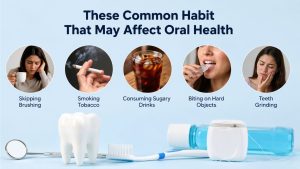
16. Poor dental hygiene and gum disease
Periodontal bacteria enter the bloodstream through inflamed gum tissue and have been directly identified in atherosclerotic plaques in coronary arteries, implicating oral bacteria in the plaque-building process that underlies most heart attacks. The chronic systemic inflammation generated by gum disease also raises CRP and other inflammatory markers that are independent predictors of cardiovascular events in prospective studies.
17. Excessive screen time and digital overstimulation
Prolonged daily screen use activates the sympathetic nervous system, suppresses heart rate variability, disrupts melatonin release, impairs sleep depth, and maintains a low-level psychological arousal that keeps baseline heart rate and blood pressure subtly elevated for hours. Research has found that adults spending more than four hours daily on recreational screens have significantly higher cardiovascular event rates independent of physical activity levels.
18. Social isolation and chronic loneliness
The American Heart Association now recognizes social isolation as an independent cardiovascular risk factor, with meta-analyses finding it increases coronary heart disease risk by 29 percent and stroke risk by 32 percent — magnitudes comparable to smoking and physical inactivity. The mechanisms include chronically elevated cortisol and inflammatory markers, impaired sleep, higher rates of depression, and reduced likelihood of health-protective behaviors in people without social support.
19. Undiagnosed or untreated sleep apnea
Sleep apnea causes breathing to repeatedly stop during sleep, triggering nightly surges in blood pressure and heart rate, promoting systemic inflammation, and dramatically elevating the risk of hypertension, atrial fibrillation, heart failure, and sudden cardiac death. Up to 80 percent of moderate to severe sleep apnea cases remain undiagnosed, with sufferers attributing their symptoms to stress or lifestyle without ever connecting them to a treatable condition causing nightly cardiovascular stress. Loud snoring, gasping during sleep, and persistent morning fatigue regardless of hours slept are reasons to seek a sleep study rather than accept them as normal.
20. Never checking key cardiovascular numbers
Blood pressure, fasting glucose, LDL and HDL cholesterol, triglycerides, and waist circumference are the primary measurable early warning indicators of cardiovascular risk — and most people either do not know their numbers or have not had them checked in years. Cardiovascular risk progresses through measurable stages over years, and catching elevated numbers early — before symptoms appear — is when lifestyle intervention is most effective and most capable of producing full risk reversal.
Disclaimer:
This article is for informational purposes only and is not a substitute for professional medical advice, diagnosis, or treatment. If you are experiencing symptoms that may be related to heart disease, please consult a qualified healthcare provider immediately. Always seek emergency medical care without delay for chest pain, shortness of breath, or other potential cardiac emergency symptoms.