20 Daily Foods That May Help Support Healthy Blood Pressure
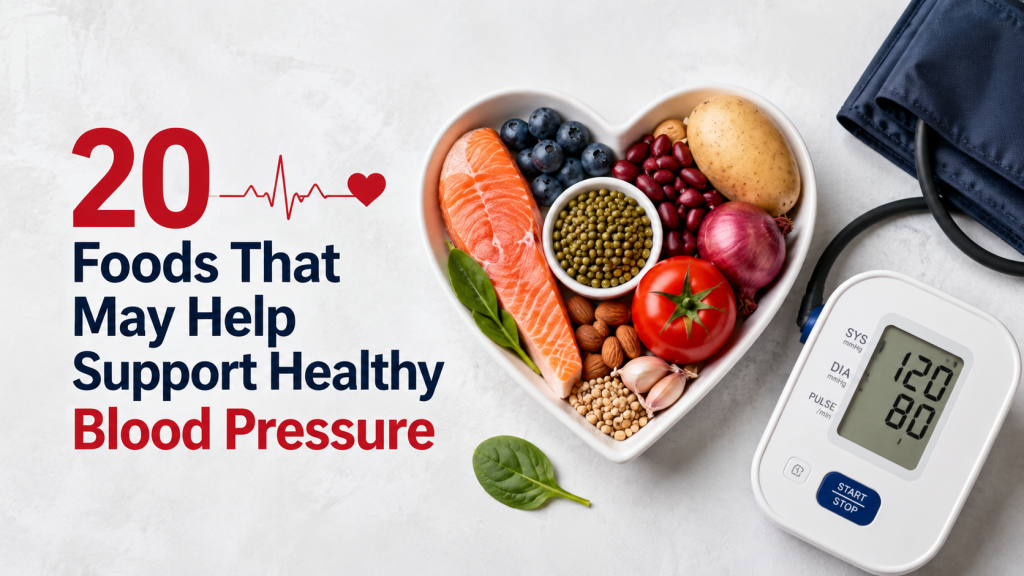
Most people reach for medication the moment their blood pressure climbs, never realizing that the grocery store holds some of the most powerful cardiovascular tools available. Food does not just fuel the body — it directly communicates with the systems that regulate blood vessel tension, fluid balance, inflammation, and heart rhythm, all of which determine what number shows up on that cuff. The research on diet and blood pressure is some of the most consistent in all of nutritional science, with certain foods showing reductions in systolic pressure comparable to low-dose medication when consumed regularly over weeks.
20 Daily Foods That May Help Support Healthy Blood Pressure
1. Beetroot
Beetroot is exceptionally high in dietary nitrates, which the body converts into nitric oxide — a compound that relaxes and widens blood vessels, directly reducing the pressure blood exerts against arterial walls. Studies have shown that drinking a single glass of beetroot juice can produce a measurable drop in systolic blood pressure within hours. Raw, roasted, or juiced, it is one of the most evidence-backed foods for cardiovascular support available.
2. Bananas
Bananas are one of the most accessible sources of potassium, a mineral that directly counteracts the blood-pressure-raising effect of sodium by helping the kidneys excrete excess salt through urine. A single medium banana provides around 422 milligrams of potassium, making it a simple daily habit that adds up significantly over time. Most people eating a modern diet are chronically under-consuming potassium, and bananas are one of the easiest ways to close that gap.
3. Leafy greens like spinach and kale
Dark leafy greens are loaded with potassium, magnesium, calcium, and nitrates — essentially a full package of nutrients that each independently support healthier blood pressure through different mechanisms. Spinach in particular has been shown in clinical studies to reduce arterial stiffness and lower both systolic and diastolic pressure when consumed regularly. A large handful added to a smoothie, soup, or stir-fry daily is enough to make a meaningful nutritional contribution.
4. Oats
Oats contain a soluble fiber called beta-glucan that has been shown to reduce both systolic and diastolic blood pressure, likely through its effects on cholesterol, blood sugar stability, and gut health. A bowl of plain oats eaten regularly for eight weeks produced significant blood pressure reductions in multiple controlled trials. They are also slow-digesting, which prevents the blood sugar spikes that indirectly stress the cardiovascular system.
5. Berries
Blueberries, strawberries, and raspberries are rich in flavonoids — plant compounds that improve the flexibility and function of blood vessel walls and reduce the chronic low-grade inflammation that contributes to hypertension over time. Regular berry consumption has been associated with lower systolic blood pressure in large population studies, with blueberries showing particularly strong cardiovascular effects. A small handful eaten daily, fresh or frozen, is enough to contribute meaningfully to vascular health.
6. Garlic
Garlic contains allicin, a sulfur compound released when garlic is crushed or chopped that has been shown to relax blood vessels and reduce blood pressure through multiple pathways including nitric oxide stimulation. Several meta-analyses of clinical trials have concluded that garlic supplementation and regular dietary garlic can reduce systolic blood pressure by four to eight points in people with hypertension. Raw garlic has the highest allicin content, but cooked garlic still retains meaningful cardiovascular benefits.
7. Fatty fish like salmon and mackerel
Fatty fish are among the richest sources of omega-3 fatty acids, which reduce inflammation in blood vessel walls, improve arterial elasticity, and have been shown in numerous studies to produce clinically significant reductions in blood pressure when consumed two to three times per week. Omega-3s also lower triglycerides and reduce the tendency of blood to clot, giving them a broad cardiovascular benefit that goes beyond blood pressure alone. Sardines and anchovies are equally effective and considerably more affordable options.
8. Pomegranate
Pomegranate juice contains unusually high concentrations of punicalagins and punicic acid, antioxidants that have been shown to reduce systolic blood pressure significantly with daily consumption over as little as two weeks. One study found that drinking around 150 milliliters of pomegranate juice daily for two weeks reduced systolic blood pressure by over five points in participants with hypertension. It also inhibits ACE — the same enzyme that ACE inhibitor medications target — making its mechanism of action directly relevant to blood pressure regulation.
9. Dark chocolate
Dark chocolate with a cocoa content of 70 percent or higher contains flavanols that stimulate nitric oxide production, relax blood vessels, and have been shown in multiple trials to produce modest but real reductions in blood pressure. The key is cocoa content — milk chocolate and heavily processed chocolate have had most of the flavanols removed and do not produce the same effect. A small square of genuinely high-cocoa dark chocolate daily is enough to access this benefit without the sugar load of commercial chocolate products.
10. Lentils and legumes
Lentils, chickpeas, black beans, and kidney beans are rich in potassium, magnesium, fiber, and plant protein — a combination that addresses multiple blood pressure pathways simultaneously. A large analysis of clinical trials found that regular legume consumption reduced both systolic and diastolic blood pressure, with the effect being most pronounced in people who ate them in place of refined carbohydrates.
11. Pumpkin seeds
Pumpkin seeds are one of the densest food sources of magnesium available, and magnesium plays a direct role in relaxing the smooth muscle in blood vessel walls — a mechanism so well-established that magnesium deficiency is considered an independent risk factor for hypertension. A small 30-gram serving of pumpkin seeds provides nearly 40 percent of the recommended daily magnesium intake. They also contain zinc, potassium, and arginine, an amino acid that the body uses to produce nitric oxide.
12. Olive oil
Extra virgin olive oil contains oleic acid and polyphenols that reduce oxidative stress in blood vessel walls, improve endothelial function, and have been associated with meaningfully lower blood pressure in people who use it as their primary cooking fat. The PREDIMED trial — one of the largest cardiovascular nutrition studies ever conducted — found that a Mediterranean diet rich in extra virgin olive oil significantly reduced the risk of major cardiovascular events including those driven by hypertension.
13. Hibiscus tea
Hibiscus contains anthocyanins and other antioxidants that act similarly to ACE inhibitors in the body, relaxing blood vessels and reducing both systolic and diastolic pressure with consistent daily consumption. Multiple clinical trials have shown reductions of six to ten points in systolic blood pressure in people with mild hypertension who drink two to three cups of hibiscus tea daily for four to six weeks.
14. Kiwi fruit
Kiwi is exceptionally rich in vitamin C, potassium, and a range of bioactive compounds that have been shown to improve blood vessel function and reduce blood pressure more effectively than many other fruits studied in direct comparison trials. One study found that eating three kiwis per day for eight weeks reduced systolic blood pressure by nearly four points more than eating one apple per day over the same period. The combination of nutrients in kiwi appears to work synergistically in a way that makes it more than the sum of its individual parts nutritionally.
15. Celery
Celery contains a compound called phthalides that relaxes the smooth muscle tissue in artery walls and reduces the hormones that cause blood vessels to constrict, producing a direct blood-pressure-lowering effect that has been recognized in both traditional medicine and modern research. Four stalks of celery per day is the amount most often associated with meaningful blood pressure reduction in studies and traditional use.
16. Flaxseeds
Flaxseeds are rich in alpha-linolenic acid, a plant-based omega-3 fatty acid, as well as lignans and soluble fiber — a combination that has been shown in clinical trials to reduce both systolic and diastolic blood pressure when consumed daily over twelve weeks. Ground flaxseed is more bioavailable than whole seeds and can be added to oats, yogurt, smoothies, or baked goods without significantly altering flavor. One to two tablespoons of ground flaxseed daily is the amount most consistently associated with the blood pressure benefits observed in research.
17. Pistachios
Pistachios are one of the nuts with the strongest evidence for blood pressure reduction, containing potassium, magnesium, and antioxidants that together improve vascular tone and reduce peripheral vascular resistance — the tightness in smaller blood vessels that contributes significantly to elevated readings. Studies have shown that eating a daily serving of pistachios reduced systolic blood pressure during stress tests, suggesting they improve the vascular stress response rather than just resting pressure.
18. Tomatoes and tomato products
Tomatoes are rich in lycopene, a carotenoid antioxidant that has been shown to reduce blood pressure and improve endothelial function, with cooked and processed tomatoes actually providing more bioavailable lycopene than raw ones. Tomato paste, cooked tomatoes, and even unsalted tomato juice have all shown blood pressure benefits in clinical studies, making them one of the few foods where processed versions are as effective as or more effective than the fresh form.
19. Walnuts
Walnuts are uniquely rich among nuts in their omega-3 content, and daily walnut consumption has been shown to improve arterial flexibility, reduce inflammation in blood vessel walls, and lower both systolic and diastolic pressure over time. A study from Pennsylvania State University found that replacing saturated fats with walnuts in the diet produced a significant reduction in central blood pressure — the pressure in the aorta closest to the heart, which is considered a stronger predictor of cardiovascular risk than arm cuff readings.
20. Plain low-fat yogurt
Dairy calcium plays a direct role in regulating the contraction and relaxation of blood vessel walls, and plain low-fat yogurt is one of the most bioavailable dietary sources of calcium alongside the added benefit of probiotics that support gut health — a system increasingly linked to blood pressure regulation through the gut-brain-cardiovascular axis. Large observational studies including data from the famous DASH diet trials have consistently found that regular low-fat dairy consumption is associated with lower blood pressure across diverse populations.
Disclaimer:
This article is for informational purposes only and is not a substitute for professional medical advice, diagnosis, or treatment. If you have been diagnosed with high blood pressure or are taking medication, please consult your healthcare provider before making significant dietary changes. Always seek guidance from a licensed medical professional for any personal health concerns.